WH Pierce Prize Previous Winners
The WH Pierce Global Impact in Microbiology Prize acknowledges and celebrates individuals, teams, or organisations that have made groundbreaking contributions to global challenges through applied microbiology. Click the links below to read about recent winners of the award in our digital magazine The Microbiologist, or click the panel below to view historic winners of this acclaimed award.
WH Pierce Global Impact in Microbiology Prize 2025

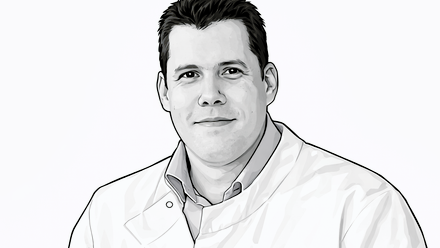
Dr Manu De Rycker
Dr Manu De Rycker is a Principal Investigator at the University of Dundee and Head of Biology at the University’s Drug Discovery Unit (DDU). His work focuses on developing new treatments for neglected infectious diseases through applied microbiology and drug discovery.
At the DDU, Dr De Rycker leads kinetoplastid and antifungal drug discovery programmes. His research has enabled the development of cell-based assays and high-throughput screening approaches that have accelerated drug discovery for diseases including African sleeping sickness, visceral leishmaniasis, and Chagas disease. This work has contributed to two clinical candidates for visceral leishmaniasis and several advanced compounds for Chagas disease, developed in collaboration with GSK.
More recently, he has established a consortium to address the urgent global need for new antifungal therapies. His work exemplifies how applied microbiology can deliver tangible, real-world impact in tackling some of the world’s most neglected diseases.
Read more: Dr Manu De Rycker named as winner of the WH Pierce Global Impact in Microbiology Prize 2025
Recent WH Pierce Prize Winners

One Health Microbiome Center (Penn State)
The One Health Microbiome Center at Penn State University is a leading international hub for applied microbiome research, education, and collaboration. Established in 2016, the Center was the world’s first named microbiome centre built around a One Health framework, recognising the interconnected roles of microbes across human, animal, agricultural, and environmental systems.
The Center has rapidly established itself as an engine of impact in applied microbiology, bringing together researchers, educators, and partners to advance microbiome science at scale. Its work spans research, training, and global collaboration, including pioneering education programmes, large-scale microbiome resources, and strong industry–academic partnerships.
With a large, interdisciplinary membership drawn from across the life sciences, the One Health Microbiome Center exemplifies how collaborative, systems-based approaches in applied microbiology can deliver lasting global impact. Its recognition with the WH Pierce Prize marked the first time the award was presented to a research centre, reflecting the importance of collective effort in addressing complex global challenges.

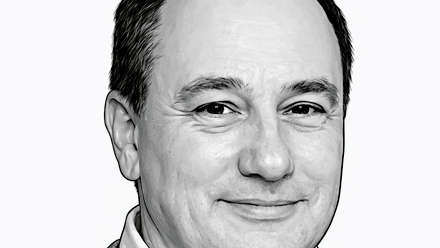
Dr Christopher Stewart
Dr Christopher Stewart is a researcher at Newcastle University (UK) whose work uses applied microbiology to advance One Health–relevant outcomes, with a particular focus on the role of the gut microbiome in early-life health.
His research programme investigates how breastmilk bioactive components and microbial colonisation influence short- and long-term health outcomes in preterm infants, drawing on resources such as the Great North Neonatal Biobank, the world’s largest neonatal biobank. His work has helped to improve understanding of the links between abnormal microbial colonisation, sepsis, and necrotising enterocolitis (NEC), a leading cause of mortality in preterm infants.
Using a range of microbiology techniques alongside intestinal organoid co-culture systems, Dr Stewart’s research explores diet–microbe–host interactions and translational pathways from bedside to bench and back again. His programme is also expanding into the role of the gut microbiome in adult inflammatory bowel disease and colorectal cancer, alongside collaborative work in low- and middle-income countries to strengthen representation and impact in microbiome research.
Read more: Dr Christopher Stewart named as winner of the WH Pierce Prize

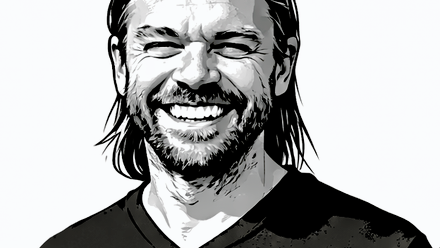
Dr Joshua Quick
Dr Joshua Quick is a researcher at the University of Birmingham whose work uses applied microbiology and genomics to address major One Health challenges, particularly antimicrobial resistance and emerging infectious diseases.
His research focuses on developing rapid, portable genomic tools that can be deployed in real-world settings. Through his OneAMR project, Dr Quick combines single-cell genomics with nanopore sequencing to enable faster detection of antibiotic resistance, supporting improved surveillance and response to a serious global health threat.
During his PhD, Dr Quick applied whole-genome sequencing to investigate hospital outbreaks of Pseudomonas aeruginosa and Salmonella enterica. He played a key role in establishing the first real-time genomic surveillance laboratory during the West African Ebola outbreak in Guinea and has since supported outbreak response and research deployments in Brazil, the Democratic Republic of the Congo, and São Tomé using mobile laboratory approaches.
Dr Quick has made major technical contributions to sequencing science, including the development of ultra-long read nanopore sequencing methods and viral genome sequencing protocols that are now widely used worldwide. His primer design platform, primalscheme, has become a global community resource, supporting tens of thousands of sequencing projects each year, with methods that have contributed to the generation of millions of genome sequences.
In 2019, he was awarded a UKRI Future Leaders Fellowship to establish his own laboratory, further advancing applied microbiology approaches that translate cutting-edge sequencing technologies into tools for global health and One Health impact.