
LAMECS 2026 would not be possible without the expertise and dedication of the organising committee.

Terry Bilverstone
Terry Bilverstone is a Lecturer in Biomedical Sciences (Clinical Microbiology) at The Open University, UK. He was awarded his PhD on the virulence of Clostridioides difficile, in 2019 from the University of Nottingham, UK. His research focuses on the application of synthetic biology techniques, to genetically engineer anaerobic bacteria. Terry spent nine years at The Synthetic Biology Research Centre, University of Nottingham, working on clostridial pathogens, before joining The Open University in October 2023.
Terry is the principal investigator of the Anaerobes in Medicine (AiM Lab). At the AiM Lab, we develop alternative antimicrobial agents for combatting C. difficile infection (CDI) which is recalcitrant to antibiotic therapy. We research the function and genetic regulation of clostridial toxins, to direct the development of anti-virulence agents thereto. We also conduct research into the genetic engineering of bacteriophages, to enhance their potential as therapeutic agents.

Jessica McLoughlin
Jessica is a PhD student at Edge Hill University. She has a BSc (Hons) in Biology, an MRes in Biological Sciences and a Postgraduate Certificate in Teaching in Higher Education (PGCTHE). Jess’s main research focus is centred around host-pathogen interactions and investigating alternative approaches to antibiotics within hyperglycaemic-affected infections, with a main focus on S. aureus and P. aeruginosa wound infections. She lectures on a number of undergraduate modules, including medical microbiology, advanced tissue applications and anatomy and physiology.
Research Interests: antimicrobial resistance, host-pathogen interactions, biofilms, Staphylococcus, Pseudomonas.

Oluwatosin Taiwo
Oluwatosin Taiwo completed his undergraduate studies in Biological Sciences at Ladoke Akintola University of Technology and MSc in Microbiology and Biotechnology at the University of Ibadan, Nigeria, where he focused on enhancing the nutritional and therapeutic properties of fermented foods using probiotic lactic acid bacteria and yeast.

Samiksha Venkatesan
Samiksha is a second-year PhD student in the Anaerobes in Medicine (AiM) Laboratory, led by Dr Terry Bilverstone at The Open University. Her research focuses on genetically engineering Clostridioides difficile bacteriophages to enhance their therapeutic potential, with the aim of developing alternative treatment options to antibiotics for C. difficile infection.
Prior to starting her PhD, Samiksha worked as a research technician for three years at the Liverpool School of Tropical Medicine (LSTM), contributing to projects in environmental microbiology, virology, and mosquito gut microbiome research. She obtained her undergraduate degree in Biochemistry from the University of Bath in 2021, which included a year-long placement in environmental microbiology at Public Health England (now the UK Health Security Agency).
Nicola Fantom
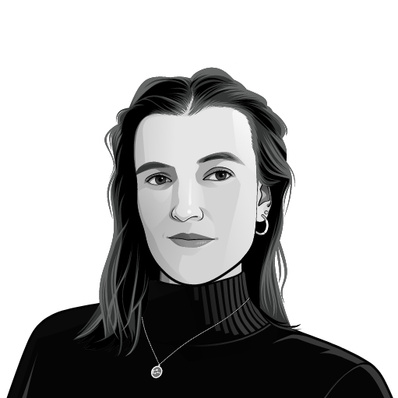
Nicola is a NERC-ARIES DTP PhD student in the Hernández lab at the University of East Anglia researching trace-gas consumption by bacterial communities in volcanic soils, focusing on carbon monoxide. She completed her BSc at the University of Southampton, and her MSc at Birkbeck College, University of London whilst working as a laboratory manager for a biotechnology company.

Saadlee Shehreen
Dr Saadlee Shehreen is a microbiologist who grew up in Bangladesh with a strong ambition to conduct research that delivers real-world impact. Early in her career, she learned to carry out scientific research in resource-limited settings, relying on improvised equipment, creativity, and resilience—experiences that have strongly shaped his scientific approach and career trajectory.
Saadlee is currently a Lecturer in Biochemistry at Teesside University, where her research explores the strategies bacteria use to survive, including defence systems, anti-defence mechanisms, pathogenicity islands, and antibiotic resistance. Her work spans large-scale comparative genomics, microbial genetics, and bioinformatics, and has been published in journals such as Nature Communications and Nucleic Acids Research.
These experiences underpin her current vision to establish a research group that integrates computational biology, machine learning, and wet-lab approaches to develop phage-based therapies and diagnostics. Saadlee is committed to fostering an inclusive and innovative research environment in which determination, creativity, and diverse backgrounds are recognised as strengths.
