Applied Microbiology International announces new president, Professor Raquel Peixoto
The Brazil-born scientist is a pioneering researcher who is playing a central role in establishing the field of coral probiotics, a transformative and rapidly growing area of study that has catalyzed broader research into probiotics for wildlife.
She is a Professor at King Abdullah University of Science and Technology (KAUST) in Saudi Arabia.
Professor Peixoto has recently completed a term as President of the International Society for Microbial Ecology (ISME) and Co-Chair of the Conservation Committee at the International Coral Reef Society (ICRS), where she also led the International Coral Reef Society’s (ICRS) climate delegations to the UN COP conferences.
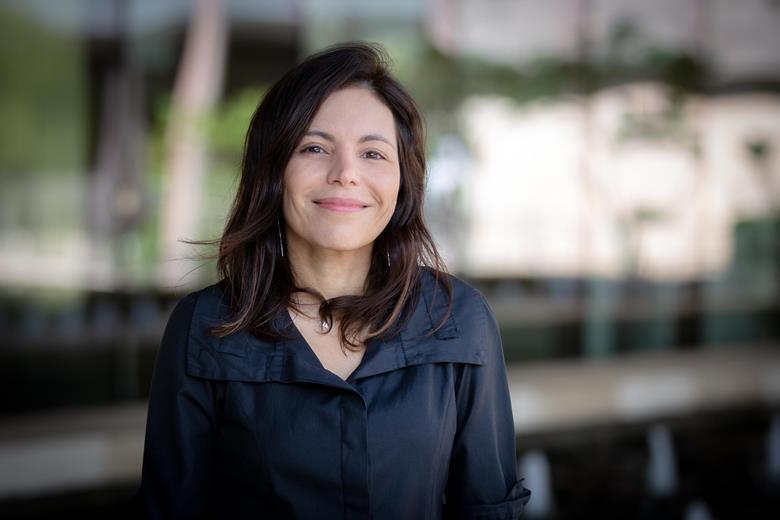
Raquel Peixoto, a professor of marine science at the King Abdullah University of Science and Technology in Saudi Arabia, is pictured at the Coral Probiotics Village at the Al Fahal Reef in the Red Sea.
New role
Professor Peixoto was appointed by AMI Trustees and assumed her role as President at the Annual General Meeting in September 2026.
She will play a pivotal role in shaping AMI’s strategic direction and championing our mission, providing clear leadership to the Board of Trustees. Alongside the Chief Executive she will be an ambassador for AMI, representing the organisation in external partnerships.
AMI Chief Executive Dr Lucy Harper welcomed Professor Peixoto, saying: ”I’m very much looking forward to working with Raquel as AMI President - the 5th female President for the Society. Her global profile, energy and innovative approach will make it easy for us to push forward the science of applied microbiology as we move into our next strategic period.
”I know that she values diversity and that she has a collaborative approach and so will be a great support to AMI’s strategic ambitions and values as we move towards our centenary year. Welcome, Raquel.”
Award-winning work
In 2023, Professor Peixoto was named the winner of AMI’s inaugural Rachel Carson Prize for microbiology, which at the time was awarded to a scientist who has used microbiology to help further our understanding of ocean biodiversity or directly in solutions that conserve and sustainably use marine resources for sustainable development.
She was named as winner of the prize at the prestigious EMI lecture 2023, held at BMA House in London on November 16.
Her team showed that microbiome restoration and rehabilitation through the use of probiotics was possible and created the only sustainable potential medicine to protect and restore coral reefs. They are now testing the automated application of probiotics in pilot trials in the Red Sea, at the Coral Probiotics Village, and investigating the response of the entire reef, within a “One Reef Health” framework.
International collaboration
Professor Peixoto also teamed up with outgoing AMI President Professor Jack Gilbert as the first co-chairs of the IUCN’s newly formed SSC Microbial Conservation Specialist Group, whose aim is to safeguard and restore microbial diversity and function across Earth’s ecosystems, recognizing microbes as the invisible foundation of life and a cornerstone of planetary and human health.
Meanwhile, in September last year she became the first interviewee in The Microbiologist’s newly launched Under the Lens video series, sitting down with Professor Gilbert at Scripps Institute of Oceanography for an in-depth discussion of how her work on coral reefs - and the expanded idea of microbiome restoration - has the potential to change the world.
Professor Peixoto commented: “It is both an honor and a real pleasure to take on the presidency of AMI. I am committed to building on the tremendous work already underway, strengthening our close partnerships with other scientific societies and initiatives, and maintaining a united and increasingly powerful voice for the importance of microbes and microbiology.
”I want us to move beyond simply demonstrating what microbes can do and become an even stronger force for action - helping translate outstanding microbiological research into solutions and tangible benefits for people, society, and the planet.
”That ambition is at the very heart of Applied Microbiology International: connecting excellent science with impact, and working together to turn what is possible into what is actually achieved.”