
The Horizon Awards recognise excellence across a range of applied microbiology disciplines, highlighting the field’s impact on addressing global challenges. Each award celebrates a distinct area of achievement. An active AMI membership is required to submit a nomination for all awards, except the Dorothy Jones Diversity & Inclusion Award and Christiana Figueres Policy to Practice Award.
If you're not sure if you or a colleague are eligible for these awards, you can view the full nomination criteria on each award page.
Questions or need assistance? Email us at [email protected] and stay updated by following us on our social media channels.
Previous Horizon Award Winners

Professor Marciane Magnani
Professor Marciane Magnani is a Professor of Food Science at the Federal University of Paraíba (UFPB), Brazil, specialising in food microbiology, food safety, predictive microbiology and sustainable food systems.
Her research combines microbial ecology, fermentation and One Health approaches to advance food security, improve food safety and promote the sustainable use of native biodiversity. With over 300 peer-reviewed publications, Professor Magnani is an internationally recognised researcher who contributes to global food safety initiatives through her work with FAO/WHO expert committees and international scientific networks.
Her achievements reflect an outstanding commitment to advancing food security and sustainable innovation through applied microbiology.
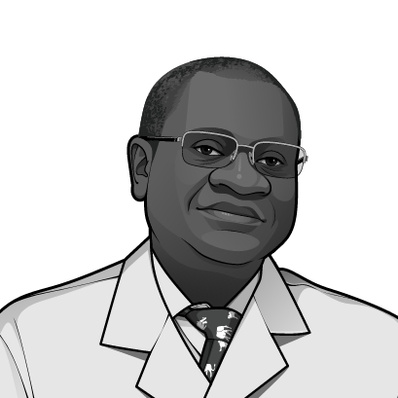
Professor Stephen Obaro
Professor Stephen Obaro is a Professor of Pediatrics and Senior Scientist at the University of Alabama at Birmingham, USA, and founder of the International Foundation Against Infectious Diseases in Nigeria (IFAIN).
His research focuses on reducing preventable childhood deaths from infectious diseases and strengthening healthcare systems, particularly across Africa. With over two decades of experience, his work addresses major global health challenges, including pneumonia, typhoid fever, antimicrobial resistance and emerging infectious threats.
Professor Obaro's research in West Africa has helped inform global vaccine development, disease surveillance strategies and clinical guidelines. Through IFAIN, he has also worked to strengthen research capacity, support emerging scientists and translate scientific evidence into practical healthcare solutions.
His achievements reflect an outstanding commitment to bridging the gap between scientific research, policy and practice, driving meaningful improvements in public health and helping to build stronger, more resilient healthcare systems worldwide.

Afua Acheampong
Afua Acheampong is a senior Equality, Diversity and Inclusion (EDI) leader, strategist and speaker with over eight years of experience advancing racial equity and inclusion across higher education, research and STEM.
Her work focuses on breaking down barriers, widening participation and improving opportunities for underrepresented groups. As former Head of the Black Internship Programme at Health Data Research UK, she led a national initiative supporting Black students and graduates in accessing careers in health data science.
Afua founded the Nottingham Trent University Black Leadership Programme, which has supported over 800 Black students in developing leadership skills and confidence. She also helped Queen Mary University of London secure its first Race Equality Charter award and holds national advisory roles supporting racial equity in biomedical research.
Her achievements reflect an outstanding commitment to advancing diversity, equity and inclusion, creating meaningful opportunities and driving lasting institutional change to build a more inclusive and representative STEM community.

Professor Jack Gilbert
Professor Jack Gilbert is a Professor in Pediatrics and at the Scripps Institution of Oceanography at UC San Diego, where he also serves as Associate Vice Chancellor for Marine Science.
A pioneer in microbial ecology, his research explores the role of microorganisms in environmental conservation, ecosystem resilience and biodiversity, using microbiology to advance sustainable management and restoration practices.
With over 450 peer-reviewed publications, Professor Gilbert co-founded the Earth Microbiome Project and American Gut Project. He is also Co-Chair of the IUCN Microbial Conservation Specialist Group and a former President of Applied Microbiology International.
His achievements reflect an outstanding commitment to advancing environmental conservation through innovative applications of microbiology, supporting the protection and restoration of ecosystems worldwide.

Professor James Ebdon
Professor James Ebdon is an environmental microbiologist at the University of Brighton, UK, where he co-directs research within the Centre for Environment and Society.
His research focuses on the role of water and sanitation in the spread and prevention of water-related diseases, using bacteriophages and microbial indicators to address global public health challenges.
With over 25 years of experience, Professor Ebdon has led international research projects across India, Malawi, Nepal and Bangladesh, helping to improve water safety, identify sources of contamination and strengthen sanitation practices in vulnerable communities.
His achievements reflect an outstanding commitment to advancing public health through applied microbiology, delivering practical solutions that improve access to safe water, reduce disease risks and support sustainable sanitation systems worldwide.

Professor Chris Greening
Professor Chris Greening is a microbiologist at Monash University, Australia, where he leads the CLIMB: Climate and Microbiology Research Unit and serves as Director of the Global Change Program.
His research focuses on harnessing the potential of microorganisms to address global challenges, including climate change, ecosystem sustainability and One Health. His pioneering work explores how microbes regulate greenhouse gases, sustain ecosystems and contribute to environmental and human health.
With over 180 peer-reviewed publications, Professor Greening has translated his research into real-world applications, including agricultural methane reduction programmes, pathogen surveillance systems and microbial conservation initiatives. His achievements include the 2023 Australian Prime Minister’s Prize for Life Scientist of the Year.
His work demonstrates an outstanding commitment to tackling global challenges through applied microbiology, delivering innovative solutions that benefit the environment, public health and society worldwide.

Professor Elaine Cloutman-Green
Professor Elaine Cloutman-Green is a Consultant Clinical Scientist in Infection Prevention and Control at Great Ormond Street Hospital and a leading figure in translating microbiological research into practical policy and practice within healthcare settings.
Named the winner of the Christiana Figueres Policy to Practice Award 2025, Professor Cloutman-Green was recognised for her sustained impact in bridging microbiology, policy, and real-world implementation. Her work focuses on preventing healthcare-associated infections through evidence-based interventions, environmental monitoring, and the development of rapid diagnostic and infection control tools now used across hospitals.
Alongside her clinical role, she holds an Honorary Professorship at University College London and serves in a number of advisory and leadership positions, including as a NICE Expert Advisor and a member of AMI’s antimicrobial resistance policy group. She was awarded the British Empire Medal in 2021 for services to healthcare.
Professor Cloutman-Green is also a committed advocate for accessible science communication and collaboration. Through her writing and public engagement, she works to demystify microbiology, promote safer healthcare practices, and inspire future generations of scientists.
Read more: Professor Elaine Cloutman-Green named as winner of the Christiana Figueres Policy to Practice Award

Professor Joana Falcao Salles
Professor Joana Falcão Salles, Professor of Microbial Community Ecology at the University of Groningen, was named as the winner of the Basil Jarvis Food Security and Innovation Award as part of the Applied Microbiology International Horizon Awards 2025.
Her research focuses on soil and plant-associated microbiomes and their role in supporting sustainable agriculture. By integrating ecological theory with experimental and computational approaches, Professor Falcão Salles has advanced understanding of how microbial diversity underpins ecosystem resilience, disease suppression, and reduced reliance on chemical inputs.
Through interdisciplinary collaboration, her work connects fundamental microbiome science with practical applications for food security and sustainable agricultural practice, reflecting the core aims of the Basil Jarvis Food Security and Innovation Award.
Read more: Professor Joana Falcao Salles named as winner of Basil Jarvis Award

Max Fisher
Max Fisher is a Senior Research Associate at ViaNautis Bio and a leading advocate for disability and LGBTQIA+ inclusion in science. Their work combines hands-on applied microbiology with sustained leadership in equity, diversity, and inclusion across STEM.
Named the individual winner of the Dorothy Jones Diversity and Inclusion Achievement Award 2025, Max was recognised for their long-standing commitment to dismantling barriers to participation and representation in science, particularly for disabled and queer researchers. Drawing on lived experience as a queer, DeafBlind, and disabled scientist, Max has been a visible and influential voice on intersectionality, workplace culture, and inclusive practice in research environments.
Alongside their research career, Max has led and supported initiatives that promote accessibility, dignity, and belonging in STEM, including employee resource groups and sector-wide advocacy. In 2024, they were named the UK’s most influential disabled scientist in the Disability Power 100, reflecting their impact both within and beyond the laboratory.
Max’s work exemplifies the values of the Dorothy Jones Award, highlighting how inclusive cultures and equitable practices strengthen science and enable talent to thrive.
Read more: Max Fisher named as individual winner of the Dorothy Jones Diversity and Inclusion Achievement Award

Professor Thomas Crowther
Professor Thomas Crowther, a British ecologist, was named as the winner of the Rachel Carson Environmental Conservation Excellence Award as part of the Applied Microbiology International Horizon Awards 2025.
His work focuses on understanding the forces that shape biodiversity at a global scale and how ecosystems regulate climate and human wellbeing. As founder of the Crowther Lab, he leads an international network exploring the role of biodiversity in soil health, ecosystem resilience, and environmental recovery.
Professor Crowther also founded Restor.eco, a global platform supporting community-led ecosystem restoration projects by improving access to data, funding, and collaboration. Through research, large-scale restoration initiatives, and global partnerships, his work demonstrates real-world impact in protecting and restoring marine and terrestrial
Read more: Professor Thomas Crowther named as winner of Rachel Carson Award 2025

Dr José Luis Balcazar
Dr José Luis Balcázar, Senior Researcher at the Catalan Institute for Water Research (ICRA-CERCA) in Spain, was named as the winner of the John Snow Public Health Innovation Prize as part of the Applied Microbiology International Horizon Awards.
A leading researcher at the One Health interface, Dr Balcázar’s work focuses on antimicrobial resistance, particularly the role of bacteriophages in resistance dissemination and environmental transmission. His research has generated important insights into how polluted water systems contribute to the spread of resistance genes, while also identifying microbiological approaches that support bioremediation and improved water safety.
Through extensive research output and international collaboration, his work demonstrates how applied microbiology can deliver measurable improvements in public health and strengthen access to safe water, directly reflecting the aims of the John Snow Public Health Innovation Prize.
Read more: Dr José Luis Balcazar named as winner of John Snow Public Health Innovation Prize

MSE Working Group
The Microbes and Social Equity (MSE) Working Group is an international, interdisciplinary network focused on understanding how microbiomes intersect with social equity, justice, health, and sustainability. Founded in 2020, MSE brings together researchers, practitioners, educators, and community partners to connect microbiology with social science, policy, and practice.
Named the team winner of the Dorothy Jones Diversity and Inclusion Achievement Award 2025, MSE was recognised for its leadership in advancing equity and inclusion across research, education, and engagement in applied microbiology. The group’s work addresses inequities in microbial exposures, access to healthy environments, and participation in science itself, while fostering inclusive collaboration across disciplines and sectors.
Through seminars, publications, and community-driven initiatives, MSE continues to broaden how microbiology engages with real-world social challenges and contributes to more equitable and sustainable outcomes.

Dr Manu De Rycker
Dr Manu De Rycker is a Principal Investigator at the University of Dundee and Head of Biology at the University’s Drug Discovery Unit (DDU). His work focuses on developing new treatments for neglected infectious diseases through applied microbiology and drug discovery.
At the DDU, Dr De Rycker leads kinetoplastid and antifungal drug discovery programmes. His research has enabled the development of cell-based assays and high-throughput screening approaches that have accelerated drug discovery for diseases including African sleeping sickness, visceral leishmaniasis, and Chagas disease. This work has contributed to two clinical candidates for visceral leishmaniasis and several advanced compounds for Chagas disease, developed in collaboration with GSK.
More recently, he has established a consortium to address the urgent global need for new antifungal therapies. His work exemplifies how applied microbiology can deliver tangible, real-world impact in tackling some of the world’s most neglected diseases.
Read more: Dr Manu De Rycker named as winner of the WH Pierce Global Impact in Microbiology Prize 2025

Dr Kim Barrett
Dr Kim Barrett, Vice Dean for Research and Distinguished Professor of Physiology and Membrane Biology at the UC Davis School of Medicine, was named as the winner of the John Snow Public Health Innovation Prize 2024 as part of the Applied Microbiology International Horizon Awards.
A leading research physiologist, Dr Barrett’s work focuses on gastrointestinal health, infectious diarrhoeal disease, and the role of the intestinal epithelium in health and disease. Her research has significantly advanced understanding of host–microbe interactions, barrier function, and the mechanisms through which probiotics and microbial processes influence gut health.
Through extensive, sustained research output, her work has delivered important insights with clear relevance to public health, infection, and disease prevention, directly reflecting the aims of the John Snow Public Health Innovation Prize.
Read more: Kim Barrett named as winner of John Snow Public Health Innovation Prize 2024

Professor Sabiha Essack
Professor Sabiha Essack is the South African Research Chair in Antibiotic Resistance and One Health, Professor of Pharmaceutical Sciences at the University of KwaZulu-Natal, and Honorary Professor of Pharmacy at the University of Jordan. Her work has played a major role in translating microbiological research into policy and practice to address the global challenge of antimicrobial resistance (AMR).
Awarded the Christiana Figueres Policy to Practice Award, Professor Essack was recognised for her sustained leadership in bridging science, policy, and implementation at national, regional, and global levels. Her research and advisory work have informed strategies for AMR prevention and containment across healthcare, agriculture, and environmental systems, underpinned by a One Health approach.
Professor Essack has held numerous influential roles, including co-chair of the Quadripartite Technical Group on AMR Integrated Surveillance, member of the WHO Strategic and Technical Advisory Group on AMR, and advisor to international initiatives such as ICARS, JPIAMR, CARB-X, and the Fleming Fund. She has also played a key role in shaping AMR policy and stewardship programmes in South Africa and beyond.
Alongside her policy impact, Professor Essack is a committed advocate for capacity strengthening in low- and middle-income countries. Through supervision and mentorship, she has supported the development of a new generation of African researchers working to address AMR in their local contexts.
Her work exemplifies the aims of the Christiana Figueres Policy to Practice Award, demonstrating how applied microbiology can drive evidence-based policy, strengthen health systems, and deliver lasting global impact.
Read more: Professor Sabiha Essack wins Christiana Figueres Policy to Practice Award

Afro-Caribbean Commercial Science Network (ACCSN)
The Afro-Caribbean Commercial Science Network (ACCSN) is an organisation dedicated to advancing diversity, equity, and inclusion across the commercial science and life sciences sectors. Founded by Daniel Similaki, ACCSN was established in response to the persistent lack of representation and meaningful engagement with Black and ethnic minority communities within STEM.
Named the winner of the Dorothy Jones Diversity and Inclusion Achievement Award 2024, ACCSN was recognised for its evidence-led, community-centred approach to improving access, representation, and progression in science. Through outreach, mentoring, education, and industry collaboration, the network works to dismantle structural barriers and connect underrepresented groups with opportunities across the life sciences.
Under Daniel Similaki’s leadership, ACCSN has delivered a wide range of initiatives, including national engagement programmes, mentoring and career coaching, educational outreach with schools, and partnerships with industry and academic institutions. Its work has supported young people, students, and early-career professionals to access pathways into science, while helping organisations strengthen inclusive practice.
ACCSN’s impact reflects the values of the Dorothy Jones Award, demonstrating how sustained, inclusive action can help build a more representative and equitable scientific workforce.

Dr François Thomas
Dr François Thomas, an independent researcher with the Centre National de la Recherche Scientifique (CNRS) in France, was named as the winner of the Rachel Carson Environmental Conservation Excellence Award as part of the Applied Microbiology International Horizon Awards.
An applied and environmental microbiologist, Dr Thomas’s research focuses on the roles bacteria play in key biogeochemical processes across marine and terrestrial ecosystems. His work investigates how environmental bacteria drive carbon cycling and ecosystem function, combining molecular microbiology with broader ecological analysis.
Through research spanning coastal ecosystems, polluted soils, and marine environments, his work advances understanding of microbial contributions to biodiversity, ecosystem resilience, and environmental sustainability, reflecting the core aims of the Rachel Carson Award.
Read more: Dr François Thomas named as winner of Rachel Carson Prize

One Health Microbiome Center (Penn State)
The One Health Microbiome Center at Penn State University is a leading international hub for applied microbiome research, education, and collaboration. Established in 2016, the Center was the world’s first named microbiome centre built around a One Health framework, recognising the interconnected roles of microbes across human, animal, agricultural, and environmental systems.
The Center has rapidly established itself as an engine of impact in applied microbiology, bringing together researchers, educators, and partners to advance microbiome science at scale. Its work spans research, training, and global collaboration, including pioneering education programmes, large-scale microbiome resources, and strong industry–academic partnerships.
With a large, interdisciplinary membership drawn from across the life sciences, the One Health Microbiome Center exemplifies how collaborative, systems-based approaches in applied microbiology can deliver lasting global impact. Its recognition with the WH Pierce Prize marked the first time the award was presented to a research centre, reflecting the importance of collective effort in addressing complex global challenges.

Dr Helen Onyeaka
Dr Helen Onyeaka, an industrial microbiologist at the University of Birmingham, was named as the winner of the Basil Jarvis Food Security and Innovation Award as part of the Applied Microbiology International Horizon Awards 2024.
With more than 25 years’ experience across academia, industry, and policy, Dr Onyeaka’s work focuses on food security, sustainable food systems, and microbiological innovation. Her research translates applied microbiology into practical solutions that enhance food safety, reduce waste, and support resilient food production in the face of climate change.
Through work on food waste valorisation, microbial foods, biodegradable packaging, and sustainable processing technologies, her research demonstrates how applied microbiology can deliver tangible advances in food security and sustainable agriculture, reflecting the core aims of the Basil Jarvis Award.
Read more: Dr Helen Onyeaka named as winner of Basil Jarvis Food Security and Innovation Award 2024

Dr Ben Swift
Dr Ben Swift of the Royal Veterinary College was named as the winner of the Basil Jarvis Food Security and Innovation Award as part of the Applied Microbiology International Horizon Awards.
A microbiologist specialising in food safety and animal health, Dr Swift’s work focuses on improving the detection and control of mycobacterial infections that affect livestock and food systems. As Founder and Director of Research and Development at PBD Biotech, he has played a key role in developing and commercialising bacteriophage-based diagnostic technologies that enable rapid, low-cost detection of diseases such as bovine tuberculosis and Johne’s disease.
By improving disease diagnosis and control in cattle, his work supports more sustainable livestock production, reduces food loss, and strengthens food security, particularly in low- and middle-income settings, reflecting the core aims of the Basil Jarvis Award.
Read more: Dr Ben Swift named as winner of Basil Jarvis Prize

Dr Taniya RoyChowdhury
Dr Taniya RoyChowdhury was named as the inaugural winner of the Christiana Figueres Policy to Practice Award, part of the Applied Microbiology International Horizon Awards.
A soil microbiologist trained across diverse ecosystems, Dr RoyChowdhury’s research focuses on how soil microbial communities regulate carbon cycling, greenhouse gas emissions, and ecosystem resilience in the context of climate change. Her work combines ecological-scale analysis with detailed microbial investigation to generate evidence that supports climate mitigation and sustainable land management.
Through extensive published research and stakeholder engagement, she has translated microbiological insight into actionable knowledge that informs climate policy, environmental decision-making, and sustainability practice. Her work demonstrates how applied microbiology can play a critical role in climate action, particularly through soil carbon stabilisation and greenhouse gas mitigation.
Read more: Dr Taniya RoyChowdhury named as winner of the inaugural Christiana Figueres Prize 2023

Dr Thomas Thompson
Dr Thomas Thompson of Queen’s University Belfast was named as the inaugural winner of the John Snow Public Health Innovation Prize, part of the Applied Microbiology International Horizon Awards.
Dr Thompson’s research explores the use of cold atmospheric pressure plasma to address major public health challenges, including antimicrobial resistance, bacterial biofilms, and water contamination. His work demonstrates how plasma-based microbiological approaches can enhance antibiotic effectiveness and support the degradation of antibiotic residues in wastewater, contributing to improved water quality and sanitation.
By combining applied microbiology, bioinformatics, and innovative technologies, his research delivers practical solutions aligned with clean water, infection control, and global health priorities, reflecting the core aims of the John Snow Prize.
Read more: Dr Thomas Thompson named as winner of inaugural John Snow Prize

Dr Raquel Peixoto
Dr Raquel Peixoto of King Abdullah University of Science and Technology (KAUST) was named as the inaugural winner of the Rachel Carson Environmental Conservation Excellence Award as part of the Applied Microbiology International Horizon Awards.
An environmental microbiologist, Dr Peixoto’s research focuses on ocean biodiversity and the protection of coral reef ecosystems threatened by climate change. Her work has advanced pioneering approaches to microbiome restoration, including the development and application of probiotic-based, nature-driven solutions to support coral resilience and reef recovery.
Through fundamental research, pilot-scale implementation, and international collaboration, her work demonstrates how applied microbiology can deliver practical conservation solutions for marine ecosystems, reflecting the core aims of the Rachel Carson Award.
Read more: Dr Raquel Peixoto named as winner of the inaugural Rachel Carson Prize 2023

Dr Christopher Stewart
Dr Christopher Stewart is a researcher at Newcastle University (UK) whose work uses applied microbiology to advance One Health–relevant outcomes, with a particular focus on the role of the gut microbiome in early-life health.
His research programme investigates how breastmilk bioactive components and microbial colonisation influence short- and long-term health outcomes in preterm infants, drawing on resources such as the Great North Neonatal Biobank, the world’s largest neonatal biobank. His work has helped to improve understanding of the links between abnormal microbial colonisation, sepsis, and necrotising enterocolitis (NEC), a leading cause of mortality in preterm infants.
Using a range of microbiology techniques alongside intestinal organoid co-culture systems, Dr Stewart’s research explores diet–microbe–host interactions and translational pathways from bedside to bench and back again. His programme is also expanding into the role of the gut microbiome in adult inflammatory bowel disease and colorectal cancer, alongside collaborative work in low- and middle-income countries to strengthen representation and impact in microbiome research.
Read more: Dr Christopher Stewart named as winner of the WH Pierce Prize

Dr Tanushree Gupta
Dr Tanushree Gupta is a Senior Scientist at AgResearch in New Zealand whose work focuses on food safety, dairy and meat microbiology, and the discovery of natural antimicrobial compounds to improve food quality and shelf life. Her research explores microbial spoilage and foodborne pathogens, identifying novel antimicrobials that support safer, more sustainable food systems.
Awarded the Basil Jarvis Food Security and Innovation Award in 2022, Dr Gupta used her prize funding to support internships for early-career scientists investigating new antimicrobial solutions, helping to build capacity and skills for the next generation of researchers in applied microbiology.
Her work bridges fundamental microbiological research with practical applications for food safety and security, reflecting the core aims of the Basil Jarvis Award.
Watch: AMI Horizon Awards - Basil Jarvis Prize 2022 - Tanushree Gupta

Dr Joshua Quick
Dr Joshua Quick is a researcher at the University of Birmingham whose work uses applied microbiology and genomics to address major One Health challenges, particularly antimicrobial resistance and emerging infectious diseases.
His research focuses on developing rapid, portable genomic tools that can be deployed in real-world settings. Through his OneAMR project, Dr Quick combines single-cell genomics with nanopore sequencing to enable faster detection of antibiotic resistance, supporting improved surveillance and response to a serious global health threat.
During his PhD, Dr Quick applied whole-genome sequencing to investigate hospital outbreaks of Pseudomonas aeruginosa and Salmonella enterica. He played a key role in establishing the first real-time genomic surveillance laboratory during the West African Ebola outbreak in Guinea and has since supported outbreak response and research deployments in Brazil, the Democratic Republic of the Congo, and São Tomé using mobile laboratory approaches.
Dr Quick has made major technical contributions to sequencing science, including the development of ultra-long read nanopore sequencing methods and viral genome sequencing protocols that are now widely used worldwide. His primer design platform, primalscheme, has become a global community resource, supporting tens of thousands of sequencing projects each year, with methods that have contributed to the generation of millions of genome sequences.
In 2019, he was awarded a UKRI Future Leaders Fellowship to establish his own laboratory, further advancing applied microbiology approaches that translate cutting-edge sequencing technologies into tools for global health and One Health impact.
Active filters:
Diversity & Inclusion